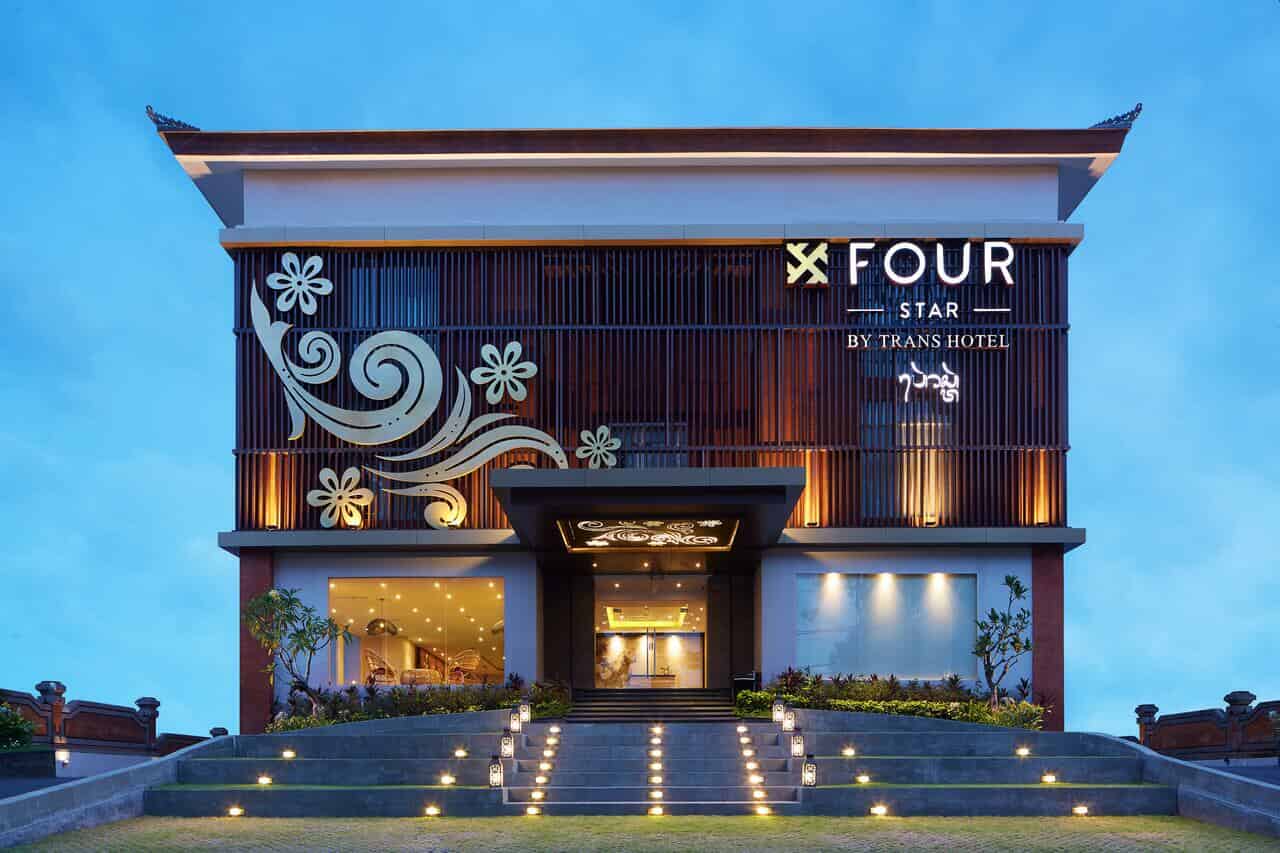
Laser cutting pricing in 2025 cannot be judged from panel size alone. Motif detail, material type, thickness, finishing, frame, and installation all influence the final estimate.
In architecture, laser cutting is commonly used for fences, facades, decorative panels, railings, ceilings, signage, and custom furniture. Clear project data makes estimation faster and more realistic.
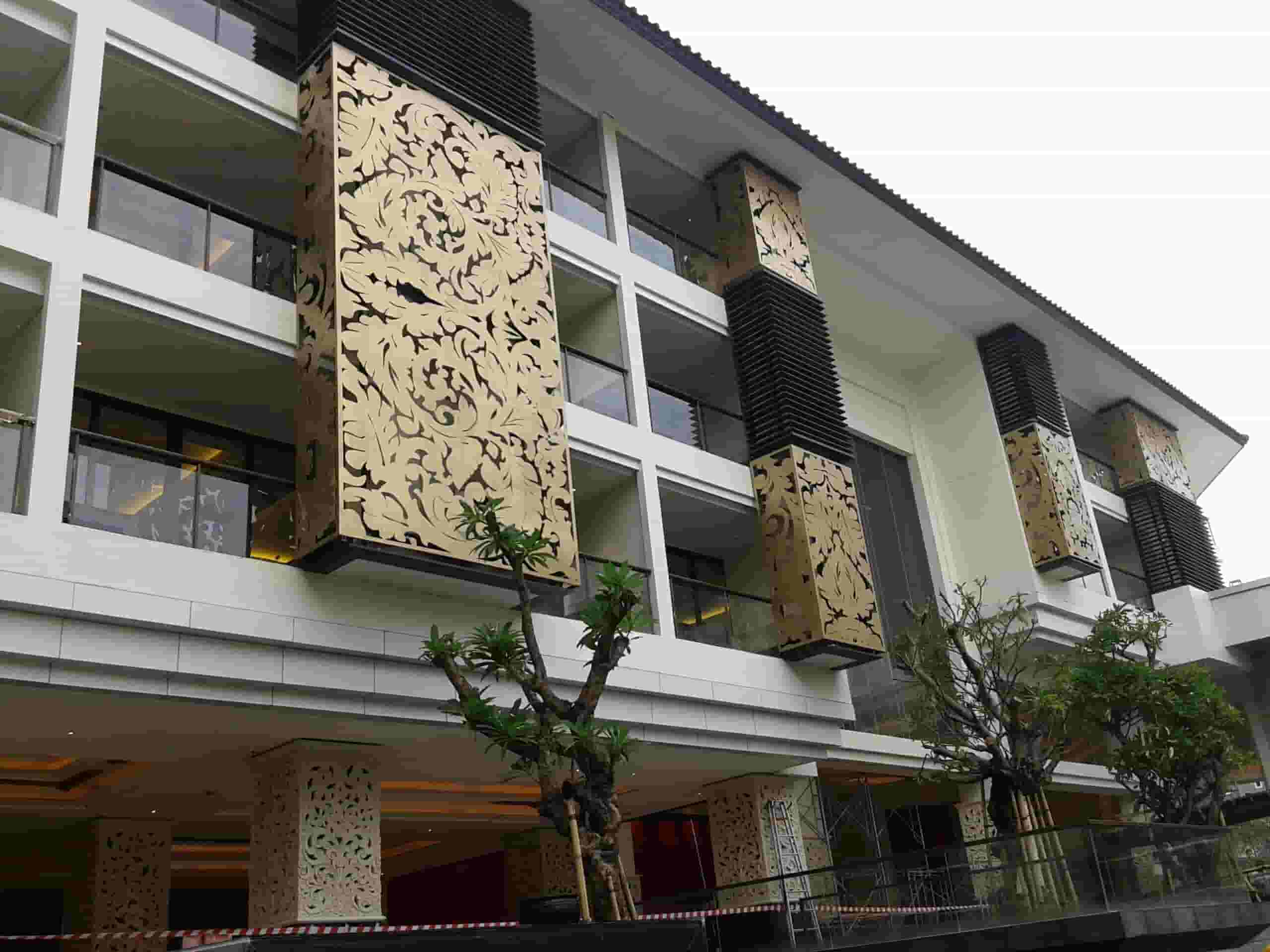
Factors That Affect Pricing
A small panel with a simple pattern is different from a large hotel facade that needs framing, finishing, delivery, and on-site installation.
- Material type and thickness
- Panel size or total work area
- Pattern complexity and cut count
- Finishing type
- Frame and support structure
- Project location and delivery
How To Request An Estimate
Prepare dimensions, motif references, project location, preferred material if available, and finishing needs. These details help the team calculate more realistically.
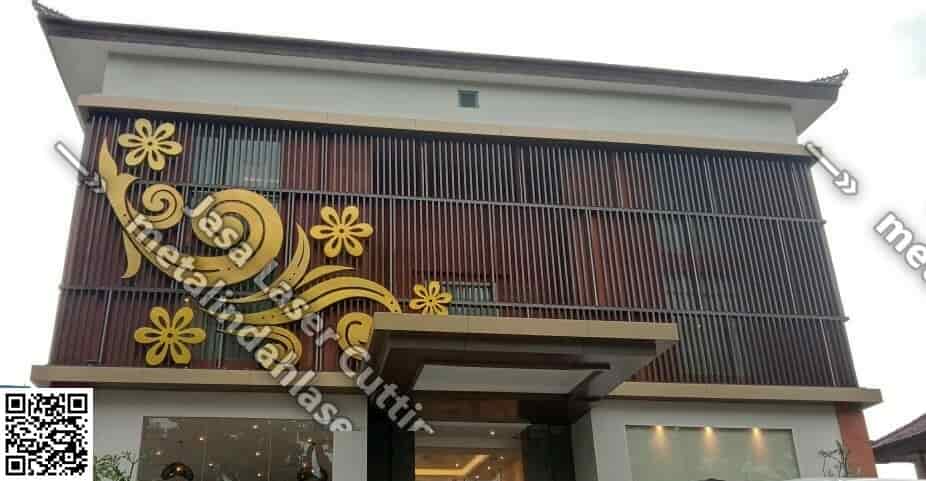
The best price is not only the lowest number, but the right specification, clean cutting, suitable finishing, and safe installation.
Do Not Compare Prices Without Specifications
The most common mistake when comparing laser cutting services is looking only at the final number. Two quotations may both mention a laser-cut fence, but the material, thickness, frame, finishing, and installation method can be completely different. A lower price is not always more efficient if the material is too thin, the finish is not suitable, or the structure is not prepared for outdoor conditions.
To compare offers fairly, ask for clear details. At minimum, the quotation should explain material type, material thickness, panel size, finishing type, whether a frame is included, whether installation is included, and whether delivery is counted separately. The more complete the details are, the easier it is to understand whether the price fits the project.
Pattern Complexity Affects Production Time
Simple motifs are usually faster to cut and more efficient to produce. Dense motifs, many small details, and sharp corners can take longer because the machine follows a longer cutting path. In laser cutting, cutting time is part of the cost. The more complex the pattern, the more time and energy are required.
That does not mean detailed motifs should always be avoided. For villa facades, brand signage, or premium decorative panels, a custom pattern can create strong visual value. The important thing is to match the motif with the budget and function. If the budget is limited, a designer can simplify the pattern while keeping its main character.
Panel Size And Material Efficiency
Panel size also affects price because it relates to sheet material usage. A project with organized modules can be more efficient than random dimensions that leave too much unused material. For long fences or screen cladding, modular planning can help control cost while making installation easier.
Size also affects transport and handling on site. A very large panel may look clean visually, but it can be heavy, harder to move, and more demanding structurally. Modular panels are often more practical, as long as the joints are planned neatly and the pattern aligns well.
Finishing Is Often Underestimated
Many owners focus on cutting cost and forget that finishing strongly affects the final result. For outdoor use, the finish protects the material from weather. Powder coating, metal paint systems, and other finishes have different costs and characteristics. Color, texture, and application quality all influence the estimate.
If the panel will be placed in a visible area such as a front facade, lobby, or main gate, finishing should not be treated as a minor add-on. A neatly cut panel with uneven finishing will not look premium. On the other hand, the right finish can make a simple motif feel elegant.
Installation Should Be Counted From The Start
Architectural laser cutting projects do not end at production. Installation may require framing, brackets, bolts, welding, site measurement, and adjustment to existing building conditions. Uneven walls, old structures, or limited access can add complexity.
That is why site photos and field measurements are useful when requesting an estimate. If the project is still in design stage, drawings or simple sketches are enough for early discussion. Before final production, however, dimensions should be checked carefully so the panels are not cut incorrectly. Measurement errors can create extra costs that could have been avoided.
Building A More Realistic Budget
A realistic budget starts from priorities. Decide which area must look the strongest and which area can be simpler. For example, the main gate can use a custom motif and premium finish, while side panels use a cleaner repeated pattern. For a hotel or restaurant, signage and entrance areas may matter more than surfaces guests rarely see.
This approach keeps cost under control without weakening the main impression. It is also useful to discuss alternative materials and thicknesses. Sometimes a small adjustment in pattern, module size, or finishing can make the project more efficient while keeping it safe and attractive.
Final Thoughts Before Requesting A Quote
Laser cutting service pricing in 2025 should be seen as a combination of design, material, production, finishing, and installation. If you want a faster and more accurate estimate, prepare dimensions, site photos, motif references, material preferences, and finishing expectations.
A good quotation does not only answer how much it costs. It explains what is included, what specification is being offered, and why that specification suits the project. This helps owners choose based on value, durability, and clean execution, not only the lowest starting number.