In 2025, architectural laser cutting commonly uses iron plate, steel, stainless steel, and aluminium depending on panel function. Each material has different strength, weight, finish, and cost characteristics.
Outdoor materials need better weather resistance, while indoor materials can be more flexible because they are not directly exposed to heat and rain.
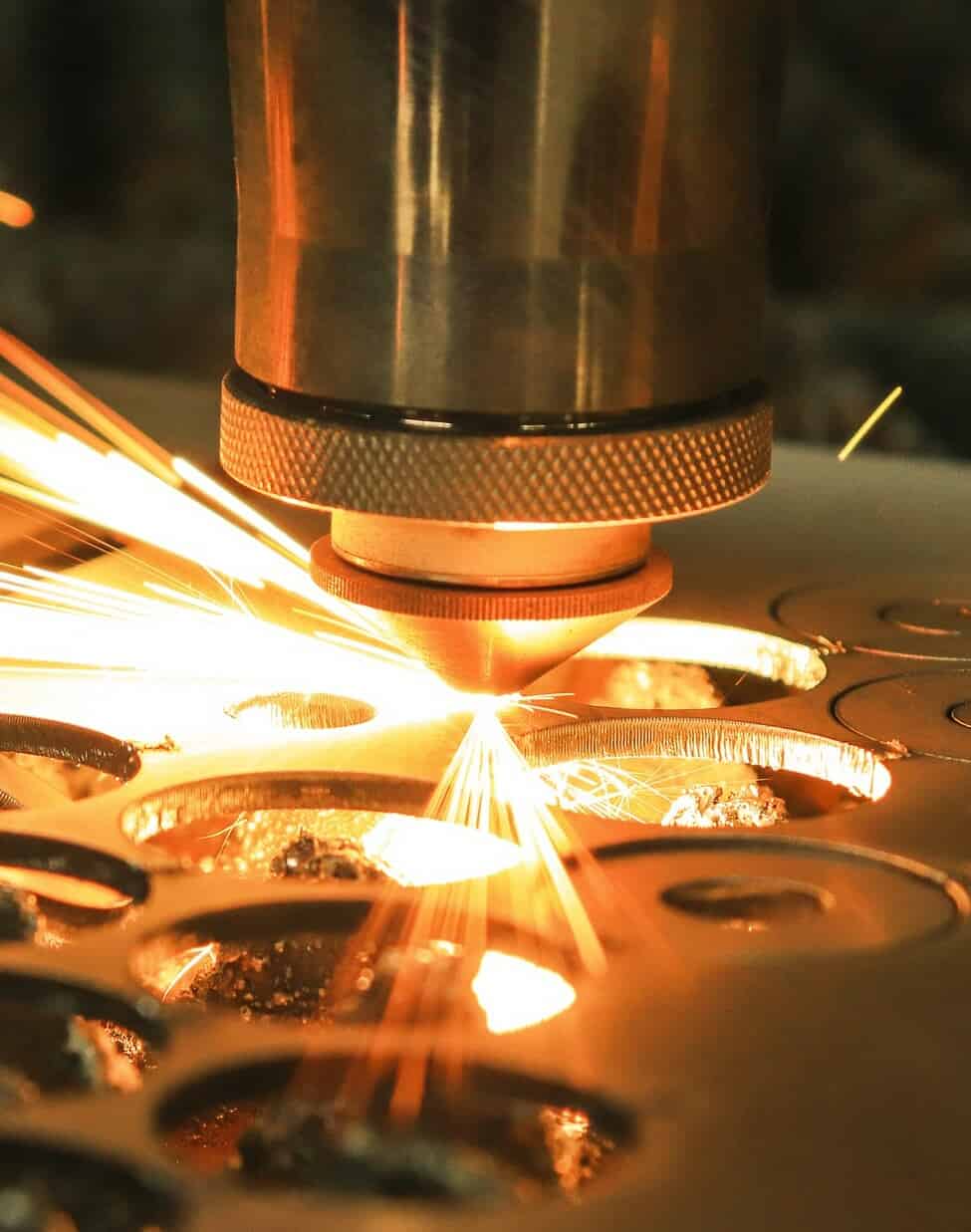
How To Choose Material
Start from installation location, panel size, structural needs, and desired final appearance. Thickness and finishing can then be specified more accurately.
- Iron plate for fences and facades
- Stainless steel for selected premium areas
- Aluminium for lighter weight
- Powder coating for outdoor finishing
The right material makes laser cutting not only beautiful, but also safe and long-lasting.
Iron Plate For Strength And Design Flexibility
Iron plate remains one of the most widely used materials for architectural laser cutting. It is strong, flexible for many design applications, and suitable for fences, facades, railings, decorative panels, canopies, and signage. With the right finishing, iron plate can look modern and perform well outdoors.
The main point to remember is surface protection. Without a suitable finish, iron plate is more vulnerable to rust, especially in humid areas or locations exposed to rain. Powder coating, metal paint systems, or other protective finishes should be planned from the beginning. Do not design the motif and panel size first and think about finishing only at the end.
Stainless Steel For Premium Areas
Stainless steel is often chosen when a project needs a cleaner and more premium appearance. It works well for signage, selected interior accents, hotel details, restaurants, villas, and commercial buildings. Its visual character is different from iron plate because it can feel smoother and more refined.
Even so, stainless steel is not always the answer for every application. The cost is usually higher, and the finish must still match the function. For very large surfaces, stainless steel should be calculated carefully so the budget remains realistic. It is most effective in areas where the premium impression will be seen and appreciated.
Aluminium For Lighter Weight
Aluminium is attractive because it is lighter than several other metal options. In certain applications, lower weight helps installation and reduces the load on the supporting structure. Aluminium can be used for decorative panels, signage, or selected interior features that do not need the same structural strength as a main gate.
The lighter weight still needs to be balanced with panel size and thickness. A panel that is too thin may feel less solid or may bend if the surface is large. That is why the frame system and panel thickness should be planned together. Aluminium is not only about being light; it is about using the right specification for the location.
Thickness Affects Safety And Appearance
Material thickness strongly affects the final result. Panels that are too thin can look weak, especially for fences, railings, or large facades. Materials that are too thick can increase cost, weight, and production time. The best choice is usually the thickness that is strong enough for the function while still efficient to produce and install.
Indoor decorative panels can be more flexible because they face less weather and lower structural stress. Outdoor panels need more careful decisions. Pattern design also matters. A motif with many large openings may reduce the stiffness of the panel, which means the frame or thickness may need adjustment.
Start With Installation Location
Before choosing material, ask where the panel will be installed. Indoor, protected outdoor, fully exposed outdoor, coastal area, high elevation, or dusty roadside locations all have different requirements. A material that works for a lobby may not be ideal for a front gate. A material that works for indoor signage may not be enough for an exterior facade.
The surrounding environment also matters. Areas near plants may receive more water and organic dirt. Roadside areas collect more dust. Commercial areas with heavy traffic need surfaces that are easier to clean. Once the location is clear, material selection becomes more logical and less based on appearance alone.
Finish As The Partner Of Material
Material and finish cannot be separated. Iron plate needs reliable surface protection. Stainless steel may be chosen for its look, but still requires care to avoid dullness. Aluminium needs a suitable finish so color and surface quality remain consistent. The right combination makes the panel last longer and look more professional.
Finishing also helps the panel connect with other building elements. Black gives a strong and clean impression. Bronze feels warmer. White or grey can make panels visually lighter. The finish should be viewed together with wall materials, flooring, glass, lighting, and landscaping.
Conclusion For 2025 Material Selection
The best material is not always the most expensive one. It is the material that fits the function, location, panel size, design intent, and budget. Iron plate offers strength and flexibility, stainless steel gives a premium impression, and aluminium helps when weight matters.
If you are unsure, begin with practical questions: where will the panel be installed, how large is it, what does it need to resist, and how should it look? From there, material, thickness, pattern, and finish can be selected more accurately. Good laser cutting always starts with the right material decision.