Signage is the first point that introduces business identity. With laser cutting, letters and logos can be produced precisely so the brand looks more professional.
In 2026, metal signage is widely chosen because it is strong, suitable for indoor and outdoor use, and easy to combine with lighting.
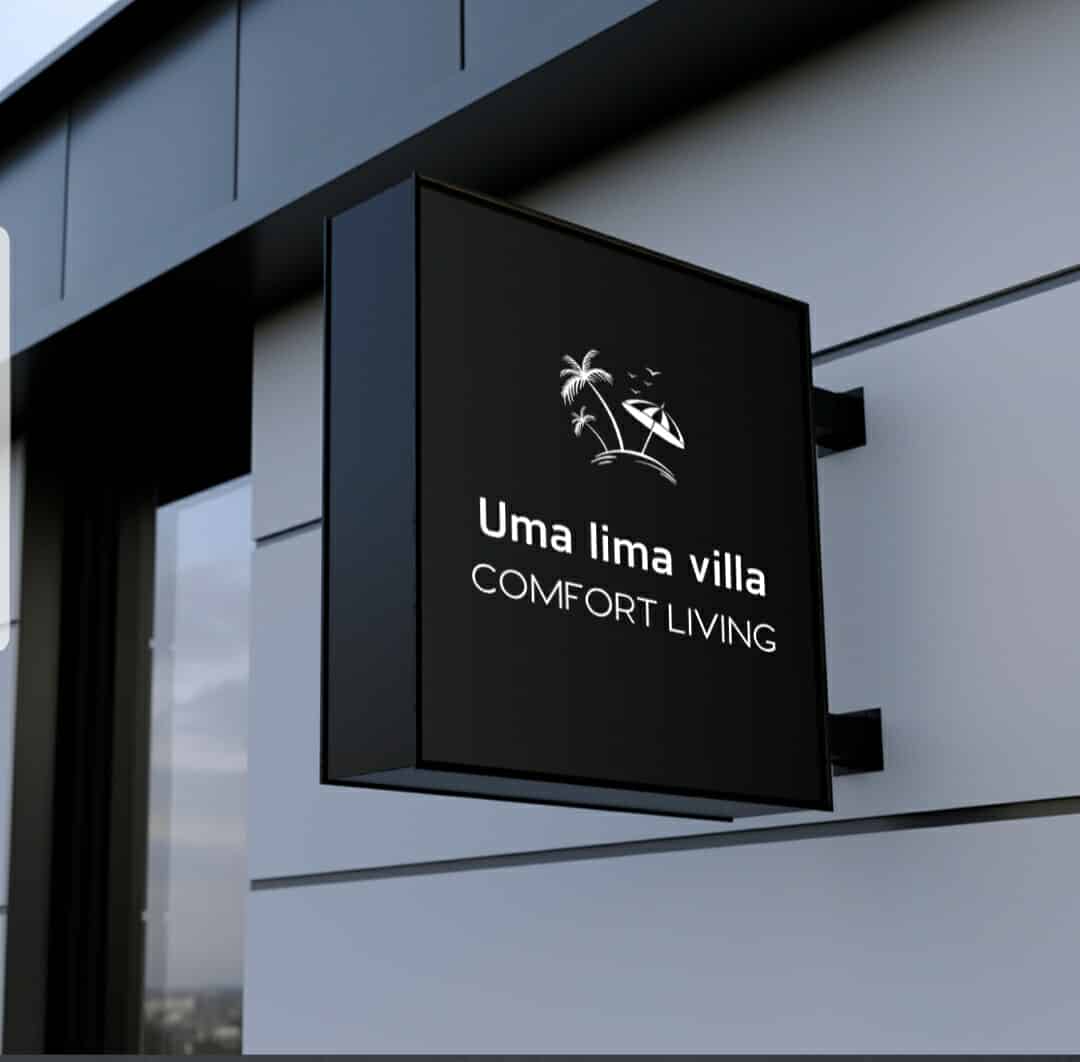
Signage Elements To Plan
Before production, size, reading distance, color, and installation method should be agreed. Outdoor signage also needs weather and night lighting considerations.
- Size and reading distance
- Material and thickness
- Finish color
- Lighting or backlight
- Installation method
Good signage is not only readable; it also makes the brand feel trustworthy.
Signage Is A First Impression That Works Every Day
For a business, signage is more than a name board. It introduces the brand every day to people passing by, guests arriving, and customers looking for the location. Clean signage suggests that the business is managed seriously. Signage that is dull, hard to read, or poorly installed can reduce trust before customers even enter.
Laser-cut metal signage is popular because it looks precise and solid. Letters, logos, and graphic elements can be produced more sharply than manual methods. For hotels, villas, restaurants, offices, clinics, shops, and showrooms, a clean result helps the brand feel more professional.
Reading Distance Determines Letter Size
One common signage mistake is choosing size based only on available wall space, not reading distance. A roadside sign must be readable from a moving vehicle. A lobby sign only needs to be read from a few meters away. Directional signage inside a building should be understood quickly without forcing people to stop for too long.
Letter size, stroke thickness, and color contrast should match the installation position. A detailed logo may need simplification so it remains readable when cut in metal. A design that looks good on a screen is not always ready for production without adjustment.
Material And Thickness Create Different Impressions
Metal signage can use different materials depending on location and desired appearance. For outdoor signage, material and finishing must handle weather. For indoor signage, the detail and surface can be more refined because the sign is protected from heat and rain. Thickness affects visual quality: too thin can feel weak, too thick can add cost and weight.
Premium signage often benefits from depth. Letters installed slightly away from the wall create shadows and feel more dimensional under light. This small detail can make the final signage look much more considered.
Backlight And Night Visibility
Many businesses operate at night or still want to be visible after sunset. Lighting becomes part of signage design in those cases. Backlight can make letters glow softly from behind. Spotlights can highlight material texture. LED or neon effects can be combined with metal for a stronger appearance.
Lighting should be planned from the beginning, not added after the sign is finished. Cable routes, letter distance from the wall, service access, and light color all matter. Light that is too strong can create glare, while light that is too weak makes the sign hard to read. For hospitality projects, warm white light often feels more welcoming and premium.
Outdoor Signage Must Be Weather-Ready
Outdoor signage faces heat, rain, dust, wind, and sometimes salt air. Finishing and installation methods must be strong. Brackets, bolts, frames, and fixing points should match the sign weight. Do not focus only on the front appearance, because the structure behind the sign determines safety.
If the sign is installed high or exposed to wind, strength becomes even more important. For roadside locations, dust and vehicle pollution affect maintenance. Choose surfaces that are easy to clean and colors that remain readable even when light dirt is present.
Consistency With Brand Identity
Good signage should feel consistent with the brand. Color, letter shape, logo proportion, and material should match the business character. A tropical restaurant may suit bronze metal and warm light. A clinic may need a cleaner and brighter look. Villas and hotels can combine metal, stone, and soft lighting.
Consistency makes the brand easier to remember. If exterior signage, lobby signage, and directional signage share a visual language, the customer experience feels more professional. They do not need to be the same size, but they should feel like they belong to the same family.
Conclusion For Business Signage In 2026
Laser-cut metal signage in 2026 is increasingly important for businesses that want to look clean, trustworthy, and recognizable. A successful design is not only beautiful up close. It is readable from the right distance, safe to install, weather-ready, and aligned with the brand.
Before production, prepare the logo, wall or area size, site photos, reading distance, lighting needs, and finishing references. With clear information, signage can be produced more accurately and professionally. For a business, signage is a long-term visual investment that works even when no one is there to explain the brand.